
Environmental Impact and Energy Use of Streaming Services

Environmental Impact and Energy Use of Streaming Services
The rise of streaming services has transformed how we consume media, but this convenience comes with significant environmental implications. As streaming becomes increasingly popular, understanding its energy consumption and carbon footprint is crucial. This article delves into the environmental impact of streaming services, exploring how they contribute to global carbon emissions and the factors influencing their energy use. We will also compare IPTV with traditional TV in terms of energy efficiency and discuss sustainable practices that can mitigate the environmental impact of streaming. Additionally, we will highlight how Xtreme HD IPTV promotes energy efficiency and eco-friendly streaming options.
What Is the Energy Consumption of Streaming Services and Its Carbon Footprint?
Streaming services consume a substantial amount of energy, primarily due to the data centers that host content and the devices used for playback. The carbon footprint associated with streaming is significant, with estimates suggesting that streaming video accounts for a considerable percentage of global internet traffic. For instance, a single hour of streaming can emit as much carbon as driving a car for many miles, depending on the energy sources powering the data centers. Understanding these figures is essential for consumers who wish to make informed choices about their media consumption.
Experts further elaborate on the substantial environmental impact of streaming, questioning the long-term effectiveness of efficiency improvements alone.
Streaming Media Carbon Footprint & ICT Efficiency
Streaming media constitutes a significant proportion of information and communication technologies (ICT), whose electricity consumption and contribution to greenhouse gas emissions are significant and growing. We argue that engineers’ and spokespeople’s optimism regarding the efficiency of ICT is unwarranted for several reasons, including the slowing down of Moore’s Law. We point out that greater efficiency leads to greater consumption (the Jevons paradox). The goal instead should be self-sufficiency and computing within limits, which contests the inevitability of a future based on a growth-based worldview.
The carbon footprint of streaming media: Problems, calculations, solutions, LU Marks, 2020
How Does Streaming Contribute to Global Carbon Emissions?
Streaming contributes to global carbon emissions through the energy required to power data centers, networks, and end-user devices. The energy consumption of streaming services is comparable to that of entire countries, highlighting the scale of the issue. For example, a report indicated that video streaming alone could account for up to 82% of all internet traffic, leading to significant greenhouse gas emissions. User behavior, such as streaming in high definition, further exacerbates this issue, as higher quality streams require more data and, consequently, more energy.
What Are the Key Factors Influencing Streaming Energy Use?
Several key factors influence the energy consumption of streaming services:
- Data Center Energy Consumption: The efficiency of data centers plays a crucial role in overall energy use. Modern data centers are increasingly designed to be energy-efficient, but older facilities may still consume excessive amounts of power.
- Streaming Quality and Bitrate: Higher streaming quality, such as 4K video, requires more data to be transmitted, leading to increased energy consumption. Users can reduce their carbon footprint by opting for lower quality settings when possible.
- Device Efficiency: The type of device used for streaming also impacts energy use. Energy-efficient devices consume less power, contributing to lower overall emissions.
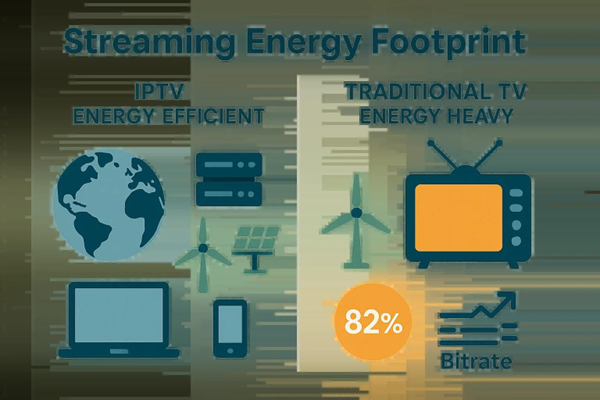
How Does IPTV Compare to Traditional TV in Energy Efficiency?

IPTV is generally considered more energy-efficient than traditional cable or satellite TV. This efficiency stems from several factors, including the on-demand nature of IPTV, which reduces the need for constant broadcasting. Traditional TV often requires a continuous signal, leading to higher energy consumption. Additionally, IPTV services can leverage more efficient streaming technologies, resulting in lower energy use per viewer.
What Makes IPTV a More Energy-Efficient Streaming Option?
IPTV is more energy-efficient due to its targeted content delivery and advanced technology. Unlike traditional broadcasting, which sends signals to all users regardless of whether they are watching, IPTV delivers content directly to users on demand. This method reduces unnecessary data transmission and energy waste. Furthermore, IPTV services often utilize modern compression techniques that minimize the amount of data needed for high-quality streaming, further enhancing energy efficiency.
How Do IPTV Streaming Protocols Reduce Energy Consumption?
IPTV streaming protocols are designed to optimize data transmission, which helps reduce energy consumption. These protocols include:
- Adaptive Streaming: This technology adjusts the quality of the video stream based on the user’s internet speed, ensuring that only the necessary amount of data is transmitted.
- Video Compression Techniques: Advanced compression algorithms reduce the file size of video content without sacrificing quality, leading to lower energy use during transmission.
- Efficient Data Transmission: Protocols that prioritize efficient data routing can minimize the energy required to deliver content to users.
What Are Sustainable Streaming Practices to Reduce Environmental Impact?
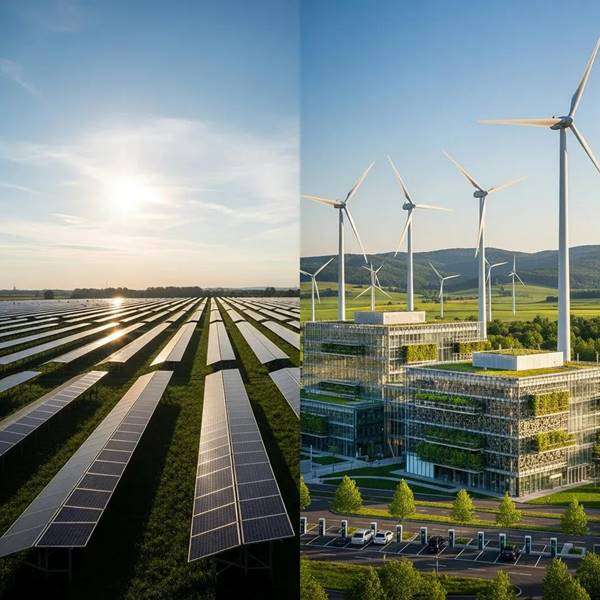
To mitigate the environmental impact of streaming, several sustainable practices can be adopted:
- Use of Renewable Energy: Streaming services can power their data centers with renewable energy sources, significantly reducing their carbon footprint.
- Efficient Data Centers: Investing in energy-efficient technologies and infrastructure can lower the energy consumption of data centers.
- User Behavior Changes: Encouraging users to adjust their streaming habits, such as reducing video quality or limiting streaming time, can collectively make a significant difference.
| Practice | Description | Impact |
| Renewable Energy | Utilizing solar or wind power for data centers | Reduces carbon emissions significantly |
| Energy-Efficient Data Centers | Implementing advanced cooling and power management systems | Lowers overall energy consumption |
| User Education | Informing users about energy-efficient streaming habits | Encourages responsible consumption |
These practices not only help reduce the carbon footprint of streaming services but also promote a more sustainable media consumption culture.
How Can Subscribers Minimize Their Streaming Carbon Footprint?
Subscribers can take several steps to minimize their streaming carbon footprint:
- Choosing Energy-Efficient Devices: Opting for devices that consume less power can significantly reduce energy use during streaming.
- Adjusting Streaming Habits: Limiting the use of high-definition streaming and reducing screen time can lower overall energy consumption.
- Supporting Sustainable Services: Choosing streaming services that prioritize sustainability and use renewable energy can contribute to a greener streaming ecosystem.
What Role Do Data Centers and Renewable Energy Play in Green Streaming?
Data centers play a pivotal role in the environmental impact of streaming services. Their energy requirements are substantial, and transitioning to renewable energy sources can drastically reduce their carbon emissions. Many leading streaming companies are now investing in renewable energy projects to power their data centers, which not only helps the environment but also appeals to eco-conscious consumers. Sustainability initiatives, such as carbon offset programs, further enhance the green credentials of these services.
How Does Xtreme HD IPTV Promote Energy Efficiency and Eco-Friendly Streaming?
Xtreme HD IPTV is committed to promoting energy efficiency through various sustainability initiatives. The company focuses on delivering high-quality streaming services while minimizing environmental impact. By utilizing energy-efficient technologies and supporting renewable energy projects, Xtreme HD IPTV ensures that its operations are as eco-friendly as possible. This commitment not only benefits the environment but also provides subscribers with affordable and high-quality streaming options.
What Are the Sustainability Benefits of Xtreme HD IPTV Services?
Xtreme HD IPTV offers several sustainability benefits, including:
- Environmental Impact Reduction: By prioritizing energy efficiency and renewable energy, Xtreme HD IPTV helps lower the carbon footprint associated with streaming.
- Cost-Effectiveness: The company’s focus on sustainability often translates to lower operational costs, which can be passed on to consumers in the form of affordable subscription rates.
- User Engagement in Sustainability: By choosing Xtreme HD IPTV, subscribers actively participate in supporting eco-friendly practices in the streaming industry.
How Does Xtreme HD IPTV’s Affordability Align with Green Streaming Goals?
Xtreme HD IPTV’s affordability aligns with its green streaming goals by making sustainable streaming options accessible to a broader audience. The company’s commitment to energy efficiency and renewable energy not only reduces costs but also encourages more consumers to choose eco-friendly streaming services. This approach demonstrates that sustainability and affordability can coexist, making it easier for subscribers to make environmentally conscious choices without sacrificing quality or access to content.
Conclusion
Understanding the environmental impact of streaming services is essential for making informed choices about media consumption. By adopting sustainable practices and choosing energy-efficient options like Xtreme HD IPTV, consumers can significantly reduce their carbon footprint while enjoying high-quality content. This commitment to eco-friendly streaming not only benefits the planet but also promotes a culture of responsible consumption. Explore how you can contribute to a greener future with our sustainable streaming solutions today.
In the digital age, the way we consume television and media has undergone a significant transformation, and Internet Protocol Television Read more

The landscape of the streaming industry has changed dramatically in recent years, with several players vying for dominance. Typhoon IPTV Read more

How to jailbreak a Chromebook? Chromebooks have gained popularity as lightweight, efficient, and affordable devices that provide seamless integration with Read more

Kemo IPTV is a popular IPTV service provider that delivers television programs and other video content to your device. The Read more