

Technology continues to push the boundaries of what’s possible. One such innovation that’s making waves is the integration of IPTV (Internet Protocol Television) with Augmented Reality (AR) and Virtual Reality (VR). IPTV, AR, and VR are not just buzzwords anymore; they’re reshaping how we consume content and experience the digital world. In this blog post, we’ll explore the exciting world of IPTV in conjunction with AR and VR, focusing on the keywords IPTV AR and IPTV VR.
Understanding IPTV Service
Let’s start with the basics. IPTV stands for Internet Protocol Television. Unlike traditional cable or satellite TV, IPTV delivers television content over an Internet connection. That means you can access your favorite TV shows, movies, and even live broadcasts using an internet connection. It’s a flexible and convenient way to enjoy entertainment.
The Rise of AR and VR
Augmented Reality (AR) and Virtual Reality (VR) are immersive technologies transforming various industries, including entertainment, gaming, healthcare, and education. AR overlays digital information onto the real world, enhancing our perception of reality, while VR immerses users in entirely virtual environments, blocking out the physical world.
IPTV AR: Enhancing the Viewing Experience
Imagine watching your favorite TV show with additional information displayed on your screen. IPTV combined with AR can make this a reality. With IPTV AR, you can enjoy interactive experiences while watching sports, educational programs, or cooking shows. For instance, if you’re watching a football match, AR can provide real-time statistics and player profiles on your screen. IPTV AR makes your viewing experience more engaging and informative.
IPTV VR: Stepping into a New World
With a VR headset, you can enter a virtual world and watch content as if physically present. That is fascinating for events like concerts and sports games. IPTV VR transports you to the front row of a show or the best seats in a stadium, all from the comfort of your home.
Practical Applications
Now, let’s explore some practical IPTV AR and VR applications.
Education: Students can benefit from immersive educational content. IPTV AR can provide additional context to history lessons, while IPTV VR can take students on virtual field trips.
Healthcare: Medical professionals can access real-time patient data during surgeries using IPTV AR. IPTV VR can be used for virtual therapy sessions.
Gaming: Gamers can enjoy a more immersive gaming experience with IPTV VR, where they become part of the game world.
Shopping: IPTV AR can enhance the online shopping experience by allowing customers to try on clothing or visualize furniture in their homes virtually.
Travel: Visitors can use IPTV VR to explore destinations and accommodations virtually before booking a vacation.
Challenges and Future Prospects
While IPTV AR and IPTV VR hold great promise, there are challenges to overcome, such as the need for high-speed internet and the cost of VR equipment. However, these barriers will likely diminish as technology advances, making these experiences more accessible.
Unlocking the Full Potential of IPTV Service in the World of Augmented Reality (AR) and Virtual Reality (VR)

The convergence of IPTV Service (Internet Protocol Television) with Augmented Reality (AR) and Virtual Reality (VR) has ushered in a new era of entertainment and digital experiences. In this extended exploration of IPTV in conjunction with AR and VR, we will delve deeper into the transformative power of these technologies, with a particular focus on the keywords IPTV AR and IPTV VR.
IPTV’s Evolution: More Than Just TV
Before we dive into the immersive realms of AR and VR, it’s essential to understand the evolution of IPTV. Internet Protocol Television has come a long way from its inception as a convenient alternative to traditional cable or satellite TV. Today, IPTV encompasses a wide range of content, including on-demand movies, live TV broadcasts, interactive applications, and user-generated content.
One of the critical advantages of IPTV is its adaptability and flexibility. It allows users to access their favorite shows, movies, and live events through an internet connection, freeing them from geographical limitations and traditional TV schedules.
The AR and VR Revolution
Augmented Reality (AR) and Virtual Reality (VR) are two technological phenomena that have rapidly gained traction across various industries. AR enhances our real-world experiences by overlaying digital information, graphics, and interactive elements onto our physical surroundings. In contrast, VR immerses users in entirely virtual environments, blocking out the natural world and replacing it with a computer-generated one.
The potential of AR and VR is boundless, transcending the realms of gaming and entertainment. These technologies are redefining how we learn, communicate, and interact with the world around us.
IPTV AR: Augmented Entertainment
IPTV AR marries the world of IPTV with the captivating possibilities of Augmented Reality. Imagine watching your favorite TV show while supplementary information, graphics, and interactivity seamlessly blend into your viewing experience. With IPTV AR, your passive entertainment becomes an active engagement.
Here are some fascinating applications of IPTV AR
Sports: When watching a football match, IPTV AR can superimpose real-time player statistics, team data, and virtual replays onto your screen. Fans can dive deeper into the game’s dynamics, enhancing their understanding and enjoyment.
Educational Content: Educational programming can leverage IPTV AR to provide additional context and information. For instance, a historical documentary can superimpose historical photographs or interactive maps, enriching the learning experience.
Cooking Shows: Amateur chefs can follow cooking shows with step-by-step instructions, ingredient lists, and nutritional information appearing right on the screen, making it easier than ever to cook along.
News: IPTV AR can provide real-time updates and context during news broadcasts. Maps, graphs, and live data can enhance viewers’ understanding of complex stories.
Travel: Virtual guided tours are made possible with IPTV AR. Explore the world’s most renowned landmarks from the comfort of your living room, with historical and cultural insights at your fingertips.
IPTV VR: A New Dimension of Immersion
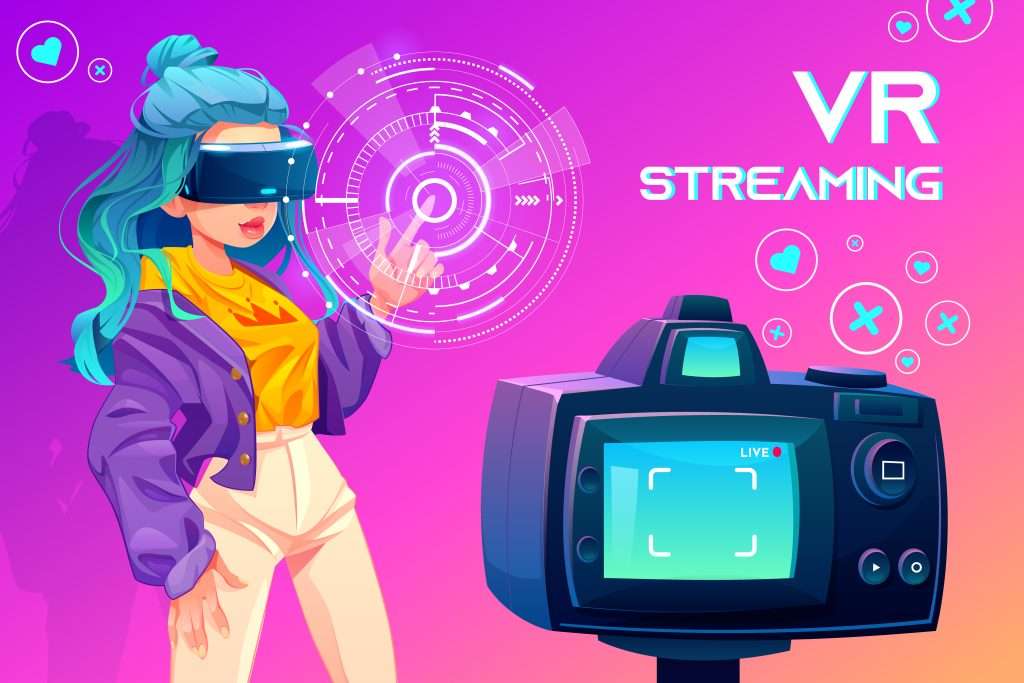
Taking immersion to the next level, IPTV VR transports users into an entirely virtual world. By donning a VR headset, you can step into the heart of the action, whether it’s a live concert, a sports event, or an interactive gaming experience.
Let’s explore some remarkable applications of IPTV VR.
Live Events: With IPTV VR, you can attend live events without leaving home. Imagine sitting courtside at a basketball game, feeling the crowd’s energy, or being front row at a sold-out concert, all from your virtual VIP seat.
Gaming: The gaming industry has fully embraced IPTV VR. Gamers can immerse themselves in breathtaking virtual worlds where they are not just players but active participants in the game’s narrative.
Virtual Tourism: Travel enthusiasts can use IPTV VR to explore destinations worldwide. Walk through the bustling streets of Tokyo, dive into the crystal-clear waters of the Maldives, or trek through the Amazon rainforest—all within the confines of your VR headset.
Social Experiences: IPTV VR facilitates social interaction by creating shared virtual spaces. Friends and family can gather in VR environments for celebrations, meetings, or to hang out.
Training and Simulation: Industries such as aviation, healthcare, and military training are harnessing the power of IPTV VR for realistic simulations and skill development.
Challenges and Future Prospects
While the potential of IPTV AR and IPTV VR is vast, they are not without challenges:
High-Speed Internet: A robust, high-speed internet connection is essential to embrace these technologies fully. As global connectivity improves, this barrier will become less significant.
Cost of VR Equipment: High-quality VR headsets can be expensive. However, as technology advances, we anticipate more affordable options becoming available.
Content Accessibility: Wider adoption of IPTV AR and IPTV VR depends on diverse and engaging content availability.
Privacy Concerns: As these technologies collect user data, privacy and security concerns must be addressed.
Health Considerations: Prolonged use of VR can lead to discomfort and motion sickness in some users. Ongoing research aims to mitigate these issues.
The Future of IPTV AR and IPTV VR
As technology evolves, we can expect IPTV, AR, and VR to become increasingly integrated into our daily lives. More accessible hardware, richer content libraries, and improved user experiences will drive widespread adoption.
The applications extend far beyond entertainment. Education will become more immersive and interactive. Healthcare will benefit from realistic training simulations and telemedicine applications. Businesses will use VR for collaborative workspaces and virtual conferences.
In conclusion, IPTV AR and VR are not mere novelties but transformative forces reshaping industries and human experiences. The world is at the cusp of a new digital era, where the boundaries between the real and virtual blur. As these technologies continue to mature, the possibilities are limited only by our imagination.
Are you ready to embark on this exciting IPTV AR and VR journey? Share your thoughts and aspirations for these technologies in the comments below, and let’s explore the future together.
You will receive a Free IPTV Trial With Xtreme HD IPTV.

In the digital age, the way we consume television and media has undergone a significant transformation, and Internet Protocol Television Read more

The landscape of the streaming industry has changed dramatically in recent years, with several players vying for dominance. Typhoon IPTV Read more

How to jailbreak a Chromebook? Chromebooks have gained popularity as lightweight, efficient, and affordable devices that provide seamless integration with Read more

Kemo IPTV is a popular IPTV service provider that delivers television programs and other video content to your device. The Read more