
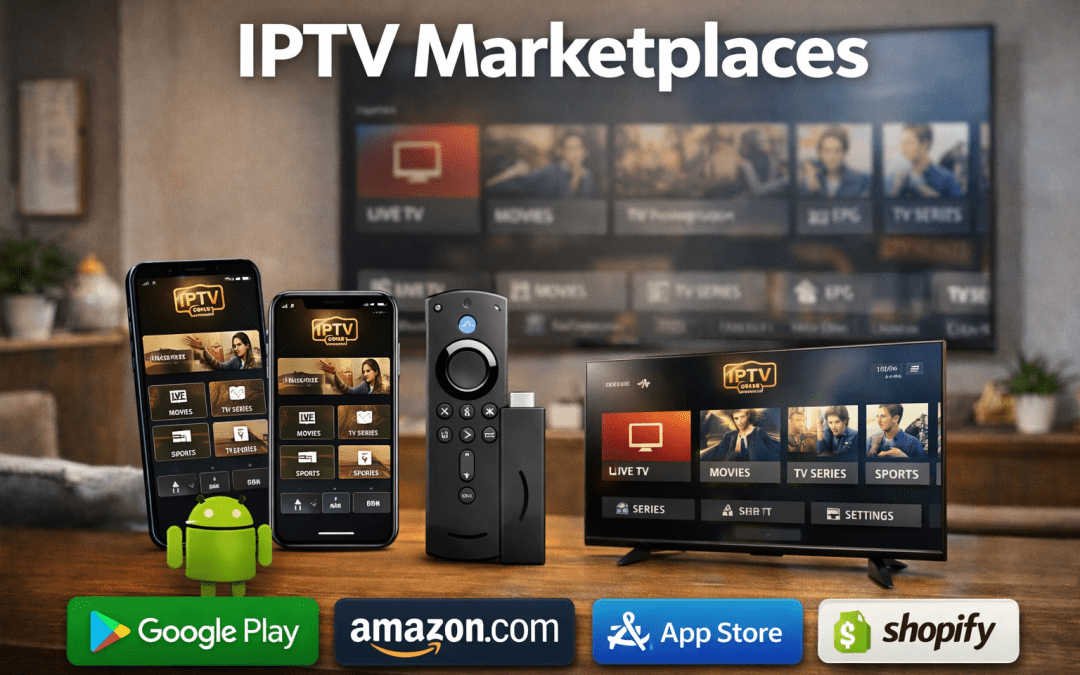
The landscape of television entertainment has undergone a remarkable transformation over the past decade. Traditional cable and satellite services are increasingly giving way to internet-based alternatives that offer greater flexibility, more content options, and often more competitive pricing. At the heart of this revolution lies the IPTV marketplace, a diverse ecosystem where consumers can explore, compare, and select streaming services that align with their viewing preferences and budget constraints.
In this comprehensive guide, we’ll explore how these digital platforms operate, what distinguishes quality providers from questionable ones, and how savvy consumers can navigate IPTV promotions to find legitimate value without compromising on service quality or security. If you’re looking for a reliable IPTV provider, you can also explore Xtreme HD IPTV for premium streaming, flexible plans, and an extensive channel lineup.
What is an IPTV Marketplace?
An IPTV marketplace functions as a digital hub where multiple Internet Protocol Television providers showcase their services to potential subscribers. Think of it as a shopping center for streaming services, where instead of walking from store to store, you can browse various offerings from a single platform or through comprehensive comparison resources.
These marketplaces serve several important functions in the streaming ecosystem. They aggregate information about different service providers, making it easier for consumers to compare features, pricing, channel lineups, and technical specifications. Some marketplaces operate as actual platforms where transactions occur, while others function more as informational resources that guide consumers toward making informed decisions.
The emergence of these centralized resources reflects the maturation of the IPTV industry. As the market has grown increasingly crowded with providers ranging from major telecommunications companies to smaller specialized services, consumers have needed better tools to navigate their options effectively.
The Evolution of Internet-Based Television Services
To understand the current IPTV marketplace landscape, it helps to consider how we arrived at this point. Traditional television delivery relied on broadcast signals, cable infrastructure, or satellite transmissions. Each method had inherent limitations in terms of flexibility, customization, and interactivity.
Internet Protocol Television changed this paradigm by delivering video content through internet connections rather than through dedicated broadcasting infrastructure. This technological shift opened doors to entirely new business models and content delivery methods.
Early internet streaming services were often supplementary to traditional television subscriptions. Consumers might use them to catch up on missed episodes or access specific content libraries. However, as internet speeds increased and streaming technology improved, these services evolved into comprehensive alternatives to conventional television.
Today’s streaming landscape includes everything from major entertainment congliders offering thousands of channels to niche providers focusing on specific content categories like sports, international programming, or classic films. This diversity has created both opportunities and challenges for consumers trying to find services that meet their specific needs.
How Modern IPTV Marketplaces Operate
Contemporary IPTV marketplace platforms employ various operational models. Some function as aggregators that collect information about different providers and present it in a user-friendly format for comparison purposes. These platforms typically generate revenue through affiliate relationships, earning commissions when users sign up for services after clicking through from their site.
Other marketplaces operate more like traditional retailers, directly selling subscriptions to various IPTV services. These platforms may negotiate bulk pricing with providers, allowing them to offer competitive rates to consumers while maintaining their profit margins.
A third category consists of review and community platforms where users share experiences, rate services, and discuss the pros and cons of different providers. These community-driven marketplaces can be valuable sources of unfiltered information, though consumers should always consider multiple perspectives before making decisions based solely on user reviews.
Regardless of their specific model, effective marketplaces share certain characteristics. They provide transparent information about pricing, features, and terms of service. They offer tools for filtering and comparing options based on criteria that matter to consumers. They maintain up-to-date information reflecting current offerings and any changes providers have made to their services.
Key Features to Evaluate in the IPTV Marketplace
When exploring an IPTV marketplace, consumers encounter numerous technical specifications and features that can significantly impact their viewing experience. Understanding what these features mean and how they affect practical use is essential for making informed choices.
Streaming Quality and Resolution Options
Video quality represents one of the most fundamental aspects of any streaming service. Modern IPTV providers typically offer content in various resolutions, from standard definition through high definition to 4K ultra-high definition. The quality you can actually experience depends on several factors including your internet connection speed, the capabilities of your viewing device, and the quality of the source content itself.
Standard definition content, while requiring less bandwidth, appears noticeably less sharp on modern large-screen televisions. High definition offers significantly better clarity and has become the baseline expectation for most viewers. 4K content provides stunning detail but requires robust internet speeds and compatible display devices.
Beyond resolution, factors like bitrate, frame rate, and compression technology affect the viewing experience. Higher bitrates generally mean better quality but require faster internet connections. Some providers use advanced compression techniques that deliver impressive quality even at lower bitrates, making their services more accessible to users with modest internet speeds.
Channel Selection and Content Variety
The breadth and depth of available content varies dramatically across the IPTV marketplace. Some services focus on comprehensive channel lineups that rival or exceed traditional cable packages, offering hundreds or even thousands of channels spanning news, entertainment, sports, and specialized content.
Other providers take a more curated approach, focusing on specific content categories. You might find services specializing in international programming, sports packages focused on particular leagues or regions, or providers emphasizing on-demand content over live channels.
When evaluating content offerings, consider not just the total number of channels but their relevance to your viewing habits. A service with 500 channels offers little value if only a dozen align with your interests. Look for providers that clearly list their channel lineups and organize content in ways that help you assess whether their offerings match your preferences.
Device Compatibility and Platform Support
The devices you use for watching content significantly influence which IPTV services will work well for you. The best providers in any IPTV marketplace offer broad compatibility across multiple platforms including smart TVs, streaming devices like Roku or Amazon Fire Stick, smartphones, tablets, and computers.
Some services provide dedicated applications for various platforms, offering optimized interfaces and features tailored to each device type. Others rely on web-based players or generic streaming protocols that work across devices but may lack the polish of purpose-built applications.
Consider your household’s viewing habits when evaluating device compatibility. If family members want to watch different content simultaneously on various devices, you’ll need a service that supports multiple concurrent streams and works well across all your devices.
Electronic Program Guides and User Interface
The interface through which you browse and select content dramatically affects your daily experience with any IPTV service. Electronic program guides vary from simple channel lists to sophisticated interfaces with search functionality, personalized recommendations, and intuitive navigation.
Quality guides display current and upcoming programming across all channels, allow you to search by title, genre, or actor, and provide detailed information about programs including descriptions, ratings, and cast information. Some advanced guides learn your preferences over time and suggest content you might enjoy.
The broader user interface matters as well. Well-designed applications make it easy to switch between live channels and on-demand content, manage favorites, set reminders, and access additional features without frustration.
Recording and Time-Shifting Capabilities
The ability to record content or pause and rewind live television represents a significant value-add for many IPTV subscribers. These features, collectively known as time-shifting, free you from rigid broadcast schedules and ensure you never miss important content.
Recording capabilities vary widely across the IPTV marketplace. Some services include cloud-based digital video recording as a standard feature, allowing you to record multiple programs simultaneously and store them for extended periods. Others offer recording as a premium add-on or don’t provide it at all.
When evaluating recording features, consider factors like storage capacity, how long recordings are retained, whether you can skip commercials in recorded content, and how many programs you can record simultaneously.
Understanding IPTV Promotions and Pricing Models
Navigating IPTV promotions requires understanding both the various pricing structures providers use and how to evaluate whether advertised deals genuinely represent good value. The streaming marketplace employs diverse business models, each with distinct advantages and potential drawbacks. Before choosing a provider, compare the IPTV pricing plans available with Xtreme HD IPTV.
Subscription Tiers and Package Options
Most IPTV providers structure their offerings in tiers, with basic packages offering fundamental features and content, while premium tiers include additional channels, enhanced quality options, more concurrent streams, or exclusive content.
Understanding what you’re actually getting at each tier is crucial for making cost-effective choices. Sometimes the difference between tiers is minimal, making the premium option worthwhile. In other cases, basic packages provide everything most users need, making higher-tier subscriptions unnecessary expenses.
Some providers allow extensive customization, letting you build packages around your specific interests. Sports fans might add comprehensive sports packages while skipping movie channels. International viewers might prioritize packages featuring content from their home countries. This à la carte approach can be more cost-effective than paying for large channel bundles containing mostly unwanted content.
Introductory Offers and Trial Periods
Many IPTV promotions center on introductory offers designed to attract new subscribers. These deals might include significantly discounted rates for initial subscription periods, free trial periods, or added features at no additional cost for early adopters.
Introductory offers can provide excellent opportunities to test services before committing fully. However, it’s essential to understand what happens when promotional periods end. Does the price increase substantially? Are you locked into long-term contracts? Can you cancel without penalties if the service doesn’t meet your expectations?
Free trial periods are particularly valuable for assessing whether a service meets your needs. During trials, test the service thoroughly on all devices you plan to use, explore the content library, evaluate streaming quality during peak usage times, and assess customer support responsiveness.
Long-Term Subscription Discounts
Some providers offer reduced per-month pricing for subscribers who commit to longer subscription periods. Annual subscriptions might cost significantly less per month compared to monthly billing, potentially saving substantial amounts over time.
These deals can represent genuine value, but they also carry risks. Committing to a year-long subscription locks you into a service that might not meet your evolving needs. If your circumstances change, if better alternatives emerge, or if service quality declines, you might find yourself stuck with an unsatisfactory solution.
Before committing to long-term subscriptions, ensure you’ve thoroughly tested the service through shorter-term subscriptions or trials. Consider whether your viewing needs might change during the subscription period and whether you’re comfortable with that financial commitment.
Bundle Deals and Family Plans
The IPTV marketplace increasingly includes bundle deals that combine services or offer discounted rates for multiple users. Internet service providers often bundle IPTV services with broadband packages, while some streaming providers offer family plans that support multiple concurrent streams at reduced per-user costs.
Bundles can deliver excellent value when they combine services you genuinely need. However, they can also trap consumers into paying for unnecessary services. Carefully calculate whether bundle pricing actually saves money compared to purchasing only the services you’ll actively use.
Family and multi-user plans make particular sense for households where multiple people have different viewing preferences and want to watch simultaneously. These plans typically cost more than single-user subscriptions but less than purchasing multiple separate subscriptions.
Seasonal and Holiday Promotions
Throughout the year, particularly around major holidays and sporting events, providers run special IPTV promotions designed to capitalize on increased consumer interest. Holiday shopping seasons often bring substantial discounts, while major sporting events might trigger promotions emphasizing sports content.
Timing your subscription decision to coincide with these promotional periods can yield significant savings. However, don’t let promotional urgency push you into hasty decisions. Even substantial discounts don’t represent good value if the underlying service doesn’t meet your needs.
Identifying Legitimate Providers in the IPTV Marketplace
The growth of the IPTV marketplace has unfortunately attracted not just legitimate service providers but also questionable operations offering dubious services. Distinguishing between reputable providers and operations that might expose you to legal or technical risks is crucial.
Legal and Licensing Considerations
Legitimate IPTV providers operate with proper licensing agreements for the content they distribute. They’ve negotiated rights with broadcasters, studios, and sports leagues to stream specific programming. This licensing represents a major cost for providers but ensures they’re operating legally and can deliver reliable access to content.
Questionable providers often offer suspiciously comprehensive content at unrealistically low prices. They may claim to provide access to thousands of premium channels from around the world for just a few dollars per month. These offerings typically involve unauthorized streaming of copyrighted content, exposing both the provider and potentially subscribers to legal risks.
When evaluating providers in any IPTV marketplace, investigate their licensing status. Legitimate providers clearly communicate their legal status and licensing agreements. They operate openly with proper business registrations and transparent terms of service. If a provider is vague about licensing or how they obtain content, consider that a significant red flag.
Business Transparency and Contact Information
Reputable IPTV services operate with full transparency about their business structure. They provide clear contact information including physical business addresses, phone numbers, and email addresses. Their websites include detailed terms of service, privacy policies, and clearly explained billing practices.
Questionable providers often hide behind anonymous domain registrations, provide only generic email addresses, and offer vague or absent terms of service. This lack of transparency makes it difficult to resolve issues and nearly impossible to seek recourse if problems arise.
Before subscribing to any service found in the IPTV marketplace, verify that the provider offers multiple channels for customer support, maintains clear policies about refunds and cancellations, and demonstrates a legitimate business presence.
Payment Security and Practices
How providers handle payment processing reveals much about their legitimacy and professionalism. Reputable services use established payment processors that offer buyer protections and secure transaction handling. They provide detailed billing information, clear receipts, and transparent billing practices.
Be extremely cautious of providers that only accept payment methods offering no buyer protection, such as cryptocurrency, wire transfers, or gift cards. While some legitimate providers accept these payment methods alongside traditional options, exclusive reliance on untraceable payment methods often indicates questionable operations.
Examine billing practices carefully when evaluating IPTV promotions. Legitimate providers clearly explain what you’ll be charged, when charges will occur, and how to cancel if needed. They don’t hide fees in fine print or make cancellation unnecessarily difficult.
Customer Reviews and Reputation
Community feedback provides valuable insights into provider reliability and service quality. When researching options in the IPTV marketplace, seek out reviews from multiple sources. Look beyond curated testimonials on provider websites to independent review platforms, technology forums, and social media discussions.
Pay attention to patterns in feedback rather than isolated complaints. All services occasionally have issues, but consistent reports of similar problems indicate systemic concerns. Notice whether providers respond constructively to criticism and work to resolve customer issues.
Be skeptical of uniformly positive reviews, especially if they use similar language or appear within short timeframes. Fake reviews plague many online marketplaces, and the IPTV industry is no exception. Authentic reviews typically include specific details about experiences, mention both positives and negatives, and demonstrate genuine user experience.
Service Reliability and Uptime
Quality IPTV providers invest in robust infrastructure capable of delivering consistent service even during peak usage periods. They use multiple servers, content delivery networks, and redundant systems to minimize disruptions.
When evaluating providers, research their service reliability track record. Do they experience frequent outages? How do they perform during major sporting events or prime viewing hours when demand spikes? How quickly do they resolve technical issues when they arise?
Some providers in the IPTV marketplace offer service level agreements guaranteeing specific uptime percentages and providing compensation if they fail to meet those standards. While such guarantees aren’t universal, their presence indicates provider confidence in service reliability.
Technical Considerations for Optimal IPTV Performance
Successfully using IPTV services requires understanding the technical requirements and factors affecting performance. Even the best services in any IPTV marketplace won’t perform well if your technical setup creates bottlenecks.
Internet Speed Requirements
Your internet connection speed fundamentally determines what quality levels you can reliably stream. Standard definition content typically requires speeds of at least 3-4 Mbps, while high definition needs 5-8 Mbps. 4K ultra-high definition content demands speeds of 25 Mbps or higher.
These requirements apply per simultaneous stream. If multiple household members want to watch different content simultaneously, you need sufficient bandwidth to support all streams plus any other internet activities happening concurrently.
Beyond raw speed, connection stability matters enormously. Intermittent connections that periodically drop or slow cause buffering and interruptions even if peak speeds technically meet requirements. When evaluating your readiness for IPTV, test your connection at various times, particularly during peak evening hours when many neighbors are also online.
Network Configuration and Optimization
How you configure your home network affects IPTV performance significantly. Wired Ethernet connections provide more stable streaming than Wi-Fi, making them preferable for devices that can be connected directly to your router.
When Wi-Fi is necessary, several factors influence performance. Router placement affects signal strength throughout your home. Physical obstacles like walls and floors degrade signals. Interference from other wireless devices can cause problems. Using modern Wi-Fi standards like Wi-Fi 6 provides better performance than older standards, particularly in households with many connected devices.
For optimal performance with services from any IPTV marketplace, position your router centrally, minimize obstacles between routers and streaming devices, use the 5 GHz Wi-Fi band for reduced interference, and consider upgrading to modern routers if using older equipment.
Quality of Service Settings
Many modern routers include Quality of Service features that let you prioritize certain types of internet traffic. Configuring QoS to prioritize streaming traffic ensures that your IPTV service receives sufficient bandwidth even when other devices are actively using your connection.
QoS configuration varies by router manufacturer, but generally involves accessing your router’s administrative interface and designating streaming traffic as high priority. Some routers automatically detect streaming traffic and prioritize it, while others require manual configuration.
Properly configured QoS can dramatically improve streaming reliability, particularly in busy households where multiple devices compete for bandwidth simultaneously.
Device Performance and Capabilities
The devices you use for streaming must be capable of processing video streams efficiently. Older smartphones, tablets, or streaming devices might struggle with high-resolution content or sophisticated applications, leading to poor performance regardless of your internet speed.
When selecting devices for IPTV use, ensure they meet or exceed the technical specifications required by your chosen services. Consider processor speed, available memory, and supported video codecs. Devices specifically designed for streaming generally provide better experiences than general-purpose devices repurposed for streaming.
Regular software updates are essential for maintaining device performance and security. Keep your streaming devices, applications, and routers updated with the latest firmware and software versions provided by manufacturers.
Maximizing Value from IPTV Promotions
Savvy consumers can find substantial value in the IPTV marketplace by strategically approaching provider selection and timing their subscriptions to take advantage of IPTV promotions without compromising on service quality.
Strategic Timing for Subscriptions
Timing your subscription decisions around promotional periods can generate significant savings. Most IPTV providers run their most aggressive promotions during specific periods throughout the year.
Major shopping holidays like Black Friday, Cyber Monday, and Amazon Prime Day typically bring substantial streaming service discounts. The beginning of the year often sees promotional pricing as providers try to start the year with subscriber growth. Back-to-school periods sometimes trigger family-oriented promotions.
Major sporting events like the Super Bowl, World Cup, or Olympics often coincide with sports-focused promotions. While these might not always offer the deepest discounts, they can provide good opportunities if your primary interest lies in sports content.
Rather than rushing into subscriptions, maintain awareness of the promotional calendar. If your current service is satisfactory but expensive, time your switch to coincide with promotional periods for alternative providers.
Negotiation and Loyalty Considerations
While less common than with traditional cable services, some IPTV providers offer retention deals to subscribers considering cancellation. If you’ve been satisfied with a service but find the price steep when your promotional period ends, contacting customer service about canceling might prompt offers of extended discounts or added features.
This approach works best when you’re genuinely prepared to cancel if the provider doesn’t offer acceptable terms. Companies can usually identify subscribers bluffing about cancellation, reducing the effectiveness of the tactic.
Some providers value long-term subscribers and may proactively offer loyalty bonuses, discounted upgrade options, or early access to new features. Building a positive relationship with reliable providers can pay dividends over time.
Stacking Promotions and Discounts
Some opportunities exist to combine multiple discounts for increased savings. Cash-back credit cards, shopping portals offering rebates on subscription purchases, and employee discount programs through your employer might stack with provider promotions.
Before subscribing through any channel, research whether additional discounts are available. Sometimes purchasing through specific retailers or using particular payment methods triggers additional savings beyond the provider’s own promotions.
Trial Period Optimization
Free trial periods in the IPTV marketplace let you evaluate services without financial commitment. Optimizing these trials helps you make informed decisions without wasting time or accidentally incurring charges.
Before starting any trial, create reminders about when the trial ends. Many providers automatically convert trials to paid subscriptions, charging your payment method unless you explicitly cancel. Calendar reminders a few days before trial expiration ensure you make conscious decisions rather than getting charged by default.
During trials, systematically evaluate all aspects of the service that matter to you. Test streaming quality at different times of day. Explore the content library thoroughly. Try the service on all devices you plan to use. Contact customer support with questions to assess their responsiveness and helpfulness.
Document your experiences during trials. When evaluating multiple services, notes about specific strengths and weaknesses of each help you make informed comparisons rather than relying on potentially faulty memory.
Understanding True Cost of Ownership
When comparing IPTV promotions, calculate true costs beyond advertised monthly rates. Some providers charge equipment rental fees, installation fees, or early termination penalties. Others include everything in their advertised pricing.
Factor in potential costs for upgraded internet service if your current connection is insufficient. Consider whether you’ll need to purchase additional hardware like streaming devices or upgraded routers.
Calculate costs over realistic time periods. A service that costs slightly more monthly but includes features others charge extra for might be more economical overall. Similarly, a service with low monthly costs but significant setup fees might be more expensive initially than alternatives with higher monthly rates but no upfront costs.
Privacy and Security Considerations
Selecting providers from the IPTV marketplace involves trusting them with personal information and potentially sensitive data about your viewing habits. Understanding privacy and security implications helps you make informed choices that protect your interests.
Data Collection and Usage Practices
IPTV services collect substantial data about subscribers including viewing histories, search queries, and usage patterns. Reputable providers clearly explain their data practices in privacy policies that detail what information they collect, how they use it, and whether they share it with third parties.
Before subscribing to any service, review its privacy policy. Understand what data collection is necessary for service functionality versus what serves the provider’s other interests. Look for providers that minimize data collection, provide options to opt out of non-essential data gathering, and commit not to sell personal information to third parties.
Some providers use viewing data to improve service recommendations and optimize content delivery. This usage can benefit subscribers through more personalized experiences. However, you should be aware of and comfortable with these practices.
Account Security Best Practices
Protecting your IPTV accounts from unauthorized access prevents others from using services you’re paying for and protects your personal information. Strong security practices include using unique, complex passwords for each service, enabling two-factor authentication where available, and regularly reviewing account activity for any suspicious access.
Many security breaches occur not through sophisticated hacking but through password reuse. If you use the same password across multiple services and any one of them suffers a data breach, all your accounts become vulnerable. Password managers help you maintain unique, complex passwords without the burden of remembering them all.
Payment Information Protection
When subscribing to services in the IPTV marketplace, evaluate how providers handle payment information. Reputable services use encrypted connections and secure payment processing that doesn’t expose your financial details to the provider directly.
Consider using payment methods that offer additional security layers. Virtual credit card numbers that can be used for single merchants provide protection if the provider’s payment system is compromised. Some banks and credit cards offer these features, creating unique numbers for each subscription that can be easily canceled if needed.
The Future of the IPTV Marketplace
The streaming industry continues evolving rapidly, driven by technological advances, changing consumer preferences, and competitive pressures. Understanding likely future directions helps consumers make decisions that will remain relevant as the IPTV marketplace develops.
Technology Trends Shaping IPTV
Several technological developments are reshaping how IPTV services operate and what they can offer subscribers. Enhanced compression technologies like AV1 allow providers to deliver higher quality video at lower bitrates, making premium content accessible to more consumers and reducing the internet speed requirements for high-quality streaming.
Artificial intelligence and machine learning are increasingly integral to IPTV services. These technologies power recommendation systems that help subscribers discover relevant content, optimize streaming quality based on network conditions, and even personalize interfaces for individual users.
Edge computing and content delivery network improvements are enhancing service reliability and reducing latency. By distributing content closer to end users geographically, providers can deliver faster, more reliable streams even during peak usage periods.
Content Landscape Evolution
The types of content available through IPTV services continue diversifying. Traditional linear channels remain important, but on-demand content, original programming created specifically for streaming platforms, and interactive experiences are becoming increasingly prominent.
Personalization is becoming more sophisticated, with services tailoring not just recommendations but potentially even content itself to individual preferences. Some providers experiment with interactive programming where viewers influence storytelling or choose between alternative presentations of the same basic content.
International content accessibility is improving as providers recognize global demand for programming from different regions and cultures. The IPTV marketplace increasingly includes services specializing in content from specific countries or regions, while mainstream providers expand their international offerings.
Business Model Innovation
Subscription fatigue, as consumers juggle multiple streaming services, is driving business model innovation. Some providers experiment with ad-supported free tiers alongside premium subscriptions, offering choice between paying with money or attention.
Bundling strategies are evolving as companies seek to increase value while reducing subscription costs. Some telecommunications companies bundle multiple streaming services with internet packages. Entertainment companies bundle their various streaming platforms at discounted rates.
Flexible subscription models allowing easy pausing, subscription cycling, or pay-per-event options are becoming more common as providers recognize that consumer needs vary over time.
Making Your IPTV Marketplace Decision
Successfully navigating the IPTV marketplace ultimately requires synthesizing all the information we’ve discussed into a decision framework that works for your specific situation. No single service is universally best; the right choice depends on your unique circumstances, preferences, and priorities.
Defining Your Requirements
Start by clearly identifying what you need from an IPTV service. Consider which channels or types of content are essential versus merely nice to have. Think about how many people will use the service simultaneously and on what types of devices. Evaluate your budget realistically, considering not just what you can afford but what value you expect for your investment.
Your internet infrastructure limits which services will work well. Test your connection speeds and assess whether upgrades would be necessary to support various service options. Consider whether your household’s technical comfort level suits more sophisticated services or whether simpler options would be more appropriate.
Comparison and Evaluation
With clear requirements established, systematically compare options in the IPTV marketplace against your criteria. Create spreadsheets or lists comparing pricing, features, content offerings, and technical requirements across services you’re considering.
Look beyond surface-level comparisons to understand nuances. Two services might both offer 500 channels, but do they offer the same 500 channels? Similar pricing might mask differences in what’s included and what costs extra.
Evaluate IPTV promotions not just on immediate savings but on whether they provide genuine long-term value. A deeply discounted promotional rate that increases dramatically after a few months might ultimately cost more than a service with higher regular pricing but no promotional gimmicks.
Trial and Testing
Whenever possible, test services before committing long-term. Free trials and short-term subscriptions let you experience services firsthand rather than relying solely on marketing materials and third-party reviews.
During testing periods, use services as you would normally rather than just sampling them casually. This approach reveals whether they’ll genuinely meet your needs in realistic usage scenarios.
Decision and Ongoing Assessment
Making your initial provider selection isn’t the end of the process. The IPTV marketplace evolves continuously, with providers adjusting their offerings, new services emerging, and your own needs potentially changing over time.
Periodically reassess whether your current service still represents the best option. Stay aware of new offerings and significant IPTV promotions that might present compelling alternatives. Don’t stay with services out of mere inertia if better options exist.
However, avoid constantly switching services seeking marginally better deals. The time and effort involved in switching, learning new interfaces, and potentially losing access to content you’ve recorded or bookmarked creates real costs that can outweigh modest savings.
Conclusion
The IPTV marketplace represents a dynamic, evolving ecosystem offering consumers unprecedented choice in how they access television content. From comprehensive channel packages rivaling traditional cable to specialized services focusing on specific content types, options exist for virtually every viewing preference and budget.
Successfully navigating this marketplace requires understanding the technical foundations of IPTV, recognizing what distinguishes quality providers from questionable operations, and strategically approaching IPTV promotions to find genuine value rather than false economy.
The most important principle is that your choice should align with your specific needs rather than arbitrary notions of what’s “best.” The highest-quality service available is worthless if it doesn’t offer content you want to watch. The deepest promotional discount represents poor value if the underlying service is unreliable or difficult to use.
As the streaming industry continues evolving, maintaining awareness of new developments, reassessing your choices periodically, and remaining open to better alternatives ensures you continue getting good value from your entertainment subscriptions.
The transformation of television from a broadcast medium to an internet-based service has fundamentally changed our relationship with video content. The IPTV marketplace puts unprecedented control in consumer hands, allowing us to craft entertainment experiences tailored to our individual preferences. By approaching provider selection thoughtfully and strategically, you can take full advantage of this flexibility while avoiding the pitfalls that catch less careful consumers.
Whether you’re cutting the cord for the first time, seeking alternatives to your current service, or simply exploring what the modern streaming landscape offers, the information and frameworks presented here provide a foundation for making informed, confident decisions that serve your entertainment needs and respect your budget. If you need help selecting the right IPTV package, contact our team for expert assistance.

In the digital age, the way we consume television and media has undergone a significant transformation, and Internet Protocol Television Read more

The landscape of the streaming industry has changed dramatically in recent years, with several players vying for dominance. Typhoon IPTV Read more

How to jailbreak a Chromebook? Chromebooks have gained popularity as lightweight, efficient, and affordable devices that provide seamless integration with Read more

Kemo IPTV is a popular IPTV service provider that delivers television programs and other video content to your device. The Read more